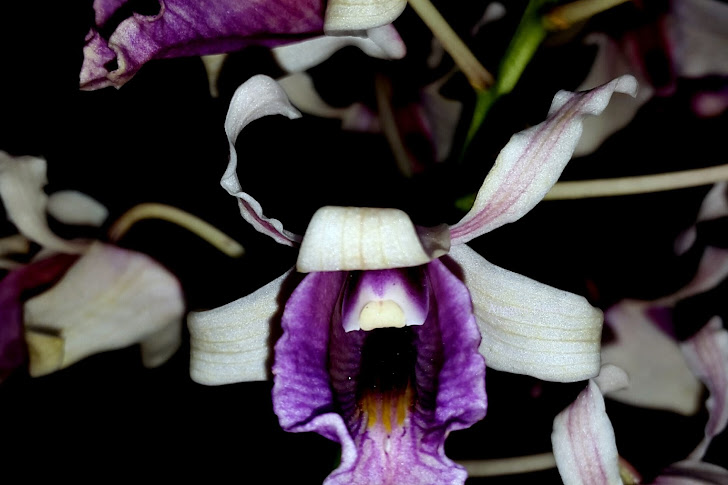
Dendrobium White Grace: The Elegance of a Graceful Orchid and Its Care Tips

Dendrobium White Grace: The Elegance of a Graceful Orchid and Its Care Tips

Dendrobium White Grace

Dendrobium White Grace is a mesmerizing orchid variety renowned for its pristine white blooms and graceful appearance. Highly favored by orchid enthusiasts, this elegant plant adds a touch of sophistication to homes and gardens. With the right care, Dendrobium White Grace can flourish and produce abundant flowers, making it suitable for both novice and experienced growers.

Characteristics of Dendrobium White Grace

This orchid features delicate, pure white petals that exude elegance and charm. Its slender stems and lush green leaves complement the brilliant blooms, offering a striking visual display. Originating from tropical and subtropical regions, Dendrobium White Grace thrives in warm, humid conditions that mimic its natural habitat.

How to Grow and Care for Dendrobium White Grace

  1. Growing Medium: Opt for well-draining materials such as charcoal, coconut husk, or sphagnum moss to ensure proper aeration and moisture balance.

  2. Lighting and Temperature: Provide bright, indirect sunlight and maintain temperatures between 18°C to 30°C (64°F to 86°F) for optimal growth.

  3. Watering and Humidity: Water the plant when the growing medium dries out, and maintain humidity levels around 50-70% to mimic tropical conditions.

  4. Fertilizing: Use a balanced orchid fertilizer bi-weekly during the growing season to support blooming and overall health.

Propagation and Breeding

Dendrobium White Grace can be propagated through vegetative methods, including keiki (baby plant) separation and stem cuttings. Tissue culture techniques may also be employed for large-scale propagation, ensuring consistency and quality.

Common Problems and Solutions

Like other orchids, Dendrobium White Grace may encounter pests and diseases. Aphids and spider mites can be treated with insecticidal soap, while root rot requires better drainage and reduced watering. If the plant struggles to bloom, adjusting light levels and fertilization can resolve the issue.

Decoration and Aesthetic Tips

Dendrobium White Grace is perfect for both indoor and outdoor décor. Showcase it in decorative pots or hanging baskets to highlight its cascading blooms. Pair it with other colorful orchids or green plants for a stunning garden arrangement.

Price and Where to Buy

Prices for Dendrobium White Grace vary depending on size and maturity, ranging from affordable seedlings to more expensive blooming specimens. They are widely available at nurseries, garden centers, and online stores.

Dendrobium White Grace stands out as a timeless orchid, combining elegance with ease of care. Whether you're an experienced gardener or a beginner, this orchid is a wonderful addition to any plant collection. With proper care, it rewards growers with breathtaking blooms and lasting beauty.

FAQ Dendrobium White Grace

Q: How long does it take for Dendrobium White Grace to bloom? A: It typically blooms once or twice a year, depending on care and environmental factors.

Q: Is this orchid beginner-friendly? A: Yes, it is easy to care for and ideal for novice growers.

Q: Can it thrive indoors? A: Absolutely! Just provide adequate indirect light and maintain appropriate humidity levels.

Dendrobium Pink Lips: The Charm of a Beautiful Orchid and Its Care Tips

Dendrobium Pink Lips: The Charm of a Beautiful Orchid and Its Care Tips

Dendrobium Pink Lips: The Charm of a Beautiful Orchid

Orchid - Dendrobium Pink Lips is a stunning orchid variety admired for its vibrant pink-tinted lips and elegant appearance. Popular among orchid enthusiasts, this plant not only enhances the aesthetic appeal of gardens and homes but also symbolizes beauty and elegance. With proper care, Dendrobium Pink Lips can thrive and bloom profusely, making it an excellent choice for both beginners and experienced growers.

Characteristics of Dendrobium Pink Lips

This orchid is characterized by its delicate petals and a distinctive pink lip that adds charm to its floral display. It typically features slender stems and lush green leaves, creating a visually striking contrast. Native to tropical and subtropical regions, Dendrobium Pink Lips thrives in warm and humid environments, reflecting its natural habitat.


How to Grow and Care for Dendrobium Pink Lips

1. Growing Medium: Use well-draining materials like charcoal, coconut husk, or sphagnum moss to provide proper aeration and moisture retention.

2. Lighting and Temperature: Ensure bright, indirect sunlight for healthy growth, while maintaining temperatures between 18°C to 30°C (64°F to 86°F).

3. Watering and Humidity: Water the plant when the medium feels dry to the touch, and keep humidity levels around 50-70% to mimic its natural environment.

4. Fertilizing: Apply a balanced orchid fertilizer every two weeks during the growing season to promote flowering and overall health.

Propagation and Breeding

Dendrobium Pink Lips can be propagated through vegetative methods such as keiki (baby plant) separation or stem cuttings. For mass production, tissue culture techniques are also employed, ensuring consistency and quality.

Common Problems and Solutions

Like any plant, Dendrobium Pink Lips may face challenges such as pests and diseases. Aphids and mites can be treated with insecticidal soap, while fungal infections like root rot require improved drainage and reduced watering. If the plant fails to bloom, adjusting light exposure and fertilization can often resolve the issue.

Decoration and Aesthetic Tips

Dendrobium Pink Lips makes an excellent addition to both indoor and outdoor spaces. Display it in decorative pots or hanging baskets to highlight its cascading flowers. Pair it with other ornamental plants for a visually appealing garden arrangement.

Price and Where to Buy

The price of Dendrobium Pink Lips varies based on size and maturity, ranging from affordable seedlings to more expensive blooming plants. They are widely available at nurseries, garden centers, and online stores.

Dendrobium Pink Lips stands out as a captivating orchid that combines beauty with ease of care. Whether you are a seasoned gardener or a beginner, this orchid is a perfect addition to any plant collection. With the right care techniques, it will reward you with its dazzling blooms and graceful presence.

FAQ Dendrobium Pink Lips

Q: How long does it take for Dendrobium Pink Lips to bloom? A: Typically, it blooms once or twice a year, depending on care and environmental conditions.

Q: Is this orchid suitable for beginners? A: Yes, it is relatively easy to care for, making it ideal for beginners.

Q: Can it be grown indoors? A: Absolutely! Just ensure it gets sufficient indirect light and humidity to thrive.

Dendrobium Nindii Varian Ionoglossum Orchid

Dendrobium Nindii Varian Ionoglossum Orchid

Dendrobium Nindii Varian Ionoglossum Orchid

This Dendrobium nindii takes quite a long time to adapt to the lowlands, it is slow to grow new bulbs, but after it has been grown it will flower in the lowlands, we plant it in a wooden medium with 80% sunlight.

Ah, Dendrobium nindii var. ionoglossum! This one’s a gem for any orchid enthusiast who loves a bit of a challenge. If you’re like me, the first time you laid eyes on this beauty, you probably thought, “Is that an orchid or a work of art?” Honestly, it’s got that ethereal, almost otherworldly quality to it that makes you just want to stare and marvel at its delicate structure.

So, here’s the deal. Dendrobium nindii var. ionoglossum is a variety of the Dendrobium nindii species, and it’s known for its vibrant, bright blooms and its unique form. The flowers are typically small, but they pack a punch with their rich color, ranging from bright yellow to light greenish hues with hints of white. What really sets this variety apart, though, is the intricate lip pattern. The lip of the flower is often marked with a distinctive darker purple or maroon spot, which gives it an extra touch of elegance. When it blooms, you can almost hear people gasp—seriously, it’s that pretty.

I remember the first time I got my hands on one of these. I was at a local orchid show (big mistake—I always end up coming home with more than I planned), and there it was—this beautiful Dendrobium sitting in a corner, almost glowing under the display lights. Of course, I couldn’t resist, and before I knew it, I had it in my cart, imagining where it would sit in my collection.

Now, here's the tricky part: Dendrobium nindii var. ionoglossum is a bit of a diva when it comes to care. I quickly learned that if you want this beauty to thrive, you need to replicate its natural habitat as much as possible. And I mean replicate—this isn’t a plant that you can just water every now and then and hope for the best. Trust me, I’ve tried that approach (and failed).

The first thing you need to understand about this orchid is that it’s an epiphyte. This means it grows on trees in nature, so it doesn’t like to sit in soggy soil. I made that mistake early on, thinking it would love being in a water-retentive medium, and let’s just say, that didn’t end well. The roots started to rot, and the plant didn’t look too happy. Since then, I’ve switched to a much drier mix—think bark, perlite, and a bit of sphagnum moss to keep the roots happy. I also give it a good draining pot to ensure the water flows out quickly.

When it comes to watering, here’s the golden rule: don’t overdo it. Watering once a week, or when the medium feels dry to the touch, is usually enough. This is a plant that’s used to drying out between rain showers, so giving it a little time to breathe between waterings is key. And while we’re talking about watering, make sure it gets good humidity too. I’ll admit, I was a bit lax about humidity in the beginning, and it definitely showed in the health of my orchid. Now, I keep the humidity around 50-60%, and I’ll mist the leaves when things start getting dry.

One thing that’s non-negotiable for Dendrobium nindii var. ionoglossum is light. It’s one of those orchids that loves bright, indirect sunlight. Don’t even think about placing it in the shade or in a spot where it’s too dim. I once put mine in a slightly shaded corner, and it bloomed—well, let’s say it bloomed half-heartedly. The flowers were smaller, and there weren’t as many. After moving it to a sunnier spot, though, it looked like a whole new plant. Just make sure it’s not in direct sunlight, or those delicate leaves will get scorched!

Temperature-wise, these orchids like it warm but not too hot. Think tropical temperatures: around 75°F to 85°F during the day and a slight drop at night. I’ve learned to keep mine in a stable room temperature, not too close to drafts or air conditioners. Consistency is key here, as sudden changes can stress the plant out and stunt its growth.

If you’ve never grown a Dendrobium nindii var. ionoglossum, I won’t sugarcoat it—it’s a plant that requires patience and attention to detail. But when it finally blooms, the reward is so worth it. You’ll have a plant that not only looks gorgeous but also has a unique personality. After all, not every orchid has the ability to stop you in your tracks and make you wonder how nature can be so perfect.

So, if you’re up for the challenge and want to add a unique orchid to your collection, Dendrobium nindii var. ionoglossum is definitely worth considering. Just remember, it’s all about finding the right balance—right light, right water, right temperature. With a little care and attention, you’ll be rewarded with stunning blooms that make every bit of effort worth it.

Dendrobium HCH Corner House

Dendrobium HCH Corner House

Dendrobium HCH Corner House
Dendrobium HCH Corner House is a hybrid Dendrobium, the result of a cross between Dendrobium Goodwood Park Hotel Singapore and Dendrobium lasianthera. It likes warm weather and likes to live in lowlands with 85% sunlight. It emits a fragrant aroma from its flowers and can bloom for more than 2 months.
Dendrobium Goodwood Park: The Iconic Orchid from Singapore

Dendrobium Goodwood Park: The Iconic Orchid from Singapore


Dendrobium Goodwood Park

If you're an orchid lover, there's one variety that should definitely be on your radar: Dendrobium Goodwood Park. This orchid isn’t just a pretty flower—it has a unique story behind its name. It’s named after the Goodwood Park Hotel, a historic hotel in Singapore known for its colonial architecture. Yeah, an orchid named after a hotel! Naturally, that piqued my curiosity, and I had to learn more about this beauty.

This Dendrobium Goodwood Park Hotel Singapore is a cross between Dendrobium Sun Plaza and Dendrobium violaceoflavens. It has thick and fragrant flowers, and lasts for more than 2 months when flowering and has thick sepal petals like its parent. We plant it in wood media with 85% sunlight. It is very pleasant to be able to live in the lowlands.

This orchid is celebrated for its distinctive flowers. With soft lavender petals highlighted by a hint of white, Dendrobium Goodwood Park exudes an elegant and almost luxurious vibe—much like the hotel it’s named after. But don’t be fooled by its refined appearance; this orchid is fairly beginner-friendly when it comes to care.

Growing Dendrobium Goodwood Park: My Experience

When I first attempted to grow this orchid, I was pleasantly surprised at how "chill" it seemed. It’s less demanding than some of its more finicky Dendrobium cousins. That said, it still has preferences, like bright but indirect light, good airflow, and a consistent watering schedule.

I quickly learned a valuable lesson early on: don’t overwater! I was a bit too eager at first and kept the roots too damp. Luckily, I noticed the signs early on and adjusted. Now, I water twice a week during the hotter months and once a week during the cooler months. The key is to ensure the water doesn’t sit in the pot, as Dendrobium Goodwood Park enjoys its roots to have access to plenty of air.

Dendrobium Goodwood Park: The Iconic Orchid from Singapore

Practical Tips for Caring for This Orchid

  1. Proper Light – Place it in a location where it gets bright, indirect light. A spot near a window with sheer curtains works best. Too little light, and you’ll see fewer blooms.
  2. Suitable Growing Medium – Use a mix of bark and a little sphagnum moss. This combination helps with both moisture retention and drainage, which is essential for healthy roots.
  3. Regular Feeding – This orchid appreciates a balanced orchid fertilizer (20-20-20). Feed it every two weeks during the growing season, but cut back during dormancy.

The Beauty Worth Celebrating

To me, Dendrobium Goodwood Park is more than just its gorgeous blooms or its interesting name. This orchid has taught me the importance of balance when it comes to plant care: not too dry, not too wet; enough light, but not too much. It’s incredibly satisfying to watch its lavender blooms open up slowly, bringing a tropical elegance into my home.

If you're looking for an orchid that’s beautiful, easy to care for, and comes with an interesting backstory, Dendrobium Goodwood Park is the perfect choice. Every time I see it bloom, I’m reminded that plants can connect us to history and culture in such a meaningful way. 🌸

Dendrobium Sylvanum Var. Flava: A Guide to Growing and Appreciating This Unique Orchid

Dendrobium Sylvanum Var. Flava: A Guide to Growing and Appreciating This Unique Orchid

Dendrobium Sylvanum Var. Flava Orchid

Dendrobium sylvanum var flava comes from the tropical forests of Papua, Indonesia, it likes up to 90% sunlight with wood media or using pots with charcoal media, it grows well and flowers diligently, easily adapts to lowlands.

Orchid - When I first stumbled across Dendrobium sylvanum var. flava, I thought, "Wow, that’s a mouthful of a name!" But the orchid itself? Absolutely stunning. It’s not the showiest plant in the Dendrobium family, but there’s something magical about its soft, buttery yellow blooms that draws you in. The "flava" in the name isn’t just there for fun—it refers to that gentle yellow shade, which feels like a whisper of sunshine in your garden.

Now, growing it? That’s where things get interesting. Let me tell you, my first attempt was… less than graceful. I thought I could treat it like my other orchids, just water it when I remembered and let it do its thing. Rookie mistake. Unlike some of its sturdier cousins, this variety thrives on a little extra TLC. It’s an epiphyte, meaning in the wild, it clings to trees and enjoys good airflow, filtered light, and just the right amount of humidity. Translation? Forgetting to mist it or leaving it in a shady corner of your living room is a fast track to sad, wilted leaves.

Lessons from Trial and (So Much) Error

The biggest mistake I made was overwatering. I was so determined to keep it hydrated that I ended up drowning the poor thing. If you’re planning to grow D. sylvanum var. flava, here’s your golden rule: let the roots dry out between waterings. This orchid likes its roots to breathe, so if you’re using a pot, go for one with lots of drainage holes. Even better, try mounting it on a piece of bark. It mimics its natural habitat and looks fancy—a win-win!

Another thing to keep in mind is light. I was tempted to stick it right in the sunniest window, but this orchid? It’s not about that scorching sun life. Think dappled sunlight, like the kind you’d get under a big tree. Too much direct light, and the leaves start to yellow. Not enough light, and you’ll wait forever for those blooms to show up. It’s all about finding that balance, which took me way longer than I care to admit.

A Few Pro Tips to Keep It Thriving

  1. Humidity is key: If you live in a dry area, invest in a small humidifier or place a tray of water near your orchid. I’ve even hung mine in the bathroom for a little spa treatment now and then.
  2. Feed it right : A balanced orchid fertilizer, diluted to half strength, works wonders. I feed mine every two weeks during its growing season and then ease up in the winter.
  3. Watch for pests: I learned this the hard way when spider mites decided my orchid was a buffet. Keep an eye out and wipe the leaves gently with a damp cloth if you notice any unwelcome guests.

Growing Dendrobium sylvanum var. flava is definitely a journey, but oh man, when those delicate yellow flowers start to bloom? Totally worth it. There’s something so rewarding about seeing a plant thrive under your care—especially one as graceful as this. Just remember, patience is your best friend. (And maybe a good orchid book for backup!)[*]

Caring for Dendrobium Sylvanum A Guide to Growing This Unique Orchid

Caring for Dendrobium Sylvanum A Guide to Growing This Unique Orchid

Caring for Dendrobium Sylvanum A Guide to Growing This Unique Orchid
Caring for Dendrobium Sylvanum
Orchid - Imagine a flower so delicate and rare it feels like a hidden gem of the rainforest. Meet Dendrobium sylvanum, an orchid species that not only mesmerizes with its beauty but also holds secrets of survival in the wild. Could this be the next exotic addition to your collection?

Dendrobium sylvanum is a captivating orchid species, cherished for its delicate blooms and adaptability to specific environments. This guide provides insights into its unique traits, natural habitat, and practical care tips to help you nurture this stunning plant at home.

Description and Key Features Orchid

Dendrobium sylvanum is a jewel among orchids, celebrated for its understated elegance and fascinating adaptations. Here’s a closer look at its defining characteristics:

1. Flower Color

The blooms of Dendrobium sylvanum are a vision of simplicity and charm. Typically, they showcase soft shades of white to cream, often accented with subtle tones of pale yellow or green at the center, adding depth and contrast. These delicate hues make it a versatile addition to any orchid collection, blending seamlessly with other species while still standing out for its unique beauty.

2. Flower Arrangement

Unlike some orchids with singular, large blooms, Dendrobium sylvanum boasts smaller flowers that form in clusters along the stem. This arrangement creates a cascading effect, enhancing its ornamental appeal and making it a favorite among collectors seeking graceful yet eye-catching displays.

3. Pseudobulbs

One of the remarkable survival traits of Dendrobium sylvanum is its pseudobulbs—slender, elongated stems that act as natural reservoirs for water. These structures enable the plant to endure periods of drought, a vital adaptation for its life as an epiphyte in unpredictable environments.

4. Leaves

The foliage of Dendrobium sylvanum is as functional as it is attractive. Bright green and lance-shaped, the leaves are designed to capture maximum light in its natural forest habitat. Interestingly, these leaves often shed after the flowering season, signaling the plant's transition into dormancy—a phenomenon that showcases its natural growth cycle.

5. Fragrance

While not all Dendrobium species are fragrant, Dendrobium sylvanum is known to produce a light, pleasant scent during its bloom, adding another layer of sensory delight for its caretakers.

6. Growth Habit

This species grows epiphytically, meaning it thrives by anchoring itself to tree branches or trunks rather than rooting in soil. This growth habit not only aids its survival in the wild but also makes it a fascinating plant to cultivate at home, offering a glimpse into its natural way of life.

Dendrobium sylvanum’s combination of aesthetic charm, functional adaptations, and intriguing growth habits makes it a standout choice for orchid enthusiasts of all levels. Its unique features ensure it remains a conversation starter, whether as part of a personal collection or as the centerpiece in a display.

Natural Habitat and Distribution

Dendrobium sylvanum is a true treasure of the natural world, thriving in environments that seem tailor-made for its unique characteristics. Understanding its habitat and geographical distribution not only deepens appreciation for this orchid but also provides valuable insights into how best to care for it at home.

Where It Grows

  • Native Range: This orchid species hails from the lush, biodiverse regions of Southeast Asia, particularly in countries such as Myanmar, Thailand, Laos, and Vietnam. These areas are renowned for their rich orchid diversity, providing the perfect conditions for species like Dendrobium sylvanum to flourish.
  • Altitude: Found at elevations between 500 to 1500 meters above sea level, Dendrobium sylvanum thrives in the cooler, humid climates of mid-level mountain forests. This altitude range offers consistent moisture levels and moderate temperatures—key elements for its growth.
  • Growth Style: As an epiphyte, Dendrobium sylvanum anchors itself to tree trunks and branches, relying on its host for physical support rather than nutrients. This unique growth habit allows it to reach for the light while benefiting from the organic debris and moisture that collect in its immediate environment.

Environmental Preferences

  • Climate: The regions where Dendrobium sylvanum grows are typically warm and humid, with distinct wet and dry seasons. These conditions mimic the orchid’s natural rhythm, with periods of active growth followed by dormancy.
  • Light: It thrives in bright, filtered sunlight, often dappled through the forest canopy. The gentle play of light and shade in its natural habitat protects it from the harsh, direct rays that could damage its delicate leaves and flowers.
  • Humidity: High humidity, often exceeding 70% during the growing season, is vital for Dendrobium sylvanum. However, the orchid is also accustomed to brief dry spells, showcasing its adaptability to fluctuating moisture levels.
  • Temperature: The temperate mountain regions offer warm days averaging 20–30°C and cooler nights dropping to around 15°C. This diurnal temperature variation not only mirrors the orchid’s ideal growing conditions but also triggers its blooming cycle.

Ecological Role

  • Forest Interactions: In its native environment, Dendrobium sylvanum plays a role in maintaining the delicate balance of forest ecosystems. By growing on trees without parasitizing them, it contributes to the overall biodiversity of its habitat. Its flowers attract pollinators such as bees and moths, which facilitate cross-pollination and help sustain orchid populations.
  • Adaptation to Epiphytic Life: Its ability to survive and thrive without soil is a testament to the orchid’s remarkable evolutionary adaptations. Its roots not only anchor it to tree bark but also absorb moisture and nutrients from the air and rain, highlighting its resilience in challenging environments.

Challenges in the Wild

While Dendrobium sylvanum is naturally hardy, its wild populations face threats from habitat destruction due to deforestation, agriculture, and urbanization. Over-collection by orchid enthusiasts also poses a risk, making conservation efforts and sustainable cultivation practices increasingly important.

How to Care for Dendrobium Sylvanum at Home

Owning a Dendrobium sylvanum can be a rewarding experience for orchid enthusiasts. Follow these tips for successful cultivation:

a. Lighting

  • Provide bright, indirect sunlight.
  • Avoid direct exposure to prevent leaf burns.

b. Temperature and Humidity

  • Ideal temperatures: 20–30°C during the day, with nighttime drops to around 15°C.
  • Humidity: Maintain a level between 50–70%, especially during dry seasons.

c. Potting Medium

  • Use a mix of bark, sphagnum moss, and charcoal for proper drainage and aeration.

d. Watering

  • Water regularly during active growth but reduce frequency during dormancy.
  • Ensure the potting medium is not waterlogged to avoid root rot.

e. Fertilizing

  • Feed with a balanced orchid fertilizer every two weeks during the growing season.
  • Pause or reduce feeding during dormancy periods.

Interesting Facts About Dendrobium Sylvanum

Dendrobium sylvanum is not just another orchid; it carries unique traits and fascinating stories that make it stand out among its peers. Here are some intriguing facts about this captivating species:

1. The Meaning Behind Its Name

The name Dendrobium sylvanum is derived from the Greek words dendron (tree) and bios (life), combined with the Latin word sylvanum (of the forest). Together, the name beautifully encapsulates its identity as a forest-dwelling orchid that thrives on tree branches. This etymology reflects not only its natural habitat but also its epiphytic lifestyle, making it a poetic representation of its ecological niche.

2. A Forest Jewel

Known as the “Forest Orchid,” Dendrobium sylvanum is celebrated for its ability to blend into its surroundings while adding a touch of elegance to the wild. Its blooms, often in soft shades of cream or pale yellow, harmonize perfectly with the greens and browns of its natural environment, giving it a mystical, almost camouflaged appearance.

3. Seasonal Blooming Cycle

This orchid species is a testament to nature's timing. It typically blooms in the spring or early summer, depending on the climatic conditions. During this period, the plant produces clusters of flowers that can last for weeks, filling its habitat with a subtle charm. The blooming cycle is triggered by the seasonal changes in temperature and light, showcasing the plant’s close relationship with its environment.

4. Fragrance and Sensory Appeal

While not all Dendrobium species are fragrant, Dendrobium sylvanum occasionally produces a light, pleasant scent that adds another dimension to its allure. This fragrance, though subtle, can create an enchanting atmosphere, making it a delightful addition to any indoor or outdoor orchid collection.

5. Survival Through Adaptation

One of the most fascinating aspects of Dendrobium sylvanum is its resilience. As an epiphyte, it has evolved to grow without soil, instead anchoring itself to tree branches or trunks. Its roots are specially adapted to absorb moisture and nutrients from the air, rain, and organic debris, allowing it to thrive in challenging conditions. Its pseudobulbs also act as water reservoirs, helping it survive dry periods in its native forest habitats.

6. A Symbol of Tropical Biodiversity

Dendrobium sylvanum is part of Southeast Asia’s incredible orchid diversity, which is among the richest in the world. Orchids like this one play a vital role in their ecosystems, supporting a variety of pollinators such as bees, moths, and butterflies. Its presence in the wild is a reminder of the interconnectedness of tropical biodiversity and the importance of conserving these fragile ecosystems.

7. Threatened by Habitat Loss

Despite its resilience, Dendrobium sylvanum faces significant threats in the wild. Habitat destruction caused by deforestation, agricultural expansion, and urban development has reduced its natural range. Over-collection for horticultural purposes also places pressure on wild populations. These threats underline the need for sustainable practices and conservation efforts to ensure its survival.

8. Perfect for Intermediate Orchid Growers

While not as challenging as some orchid species, Dendrobium sylvanum requires careful attention to its specific needs. Its unique care requirements—such as bright indirect light, moderate temperatures, and well-draining media—make it a rewarding challenge for orchid enthusiasts looking to expand their skills.

9. Cultural and Decorative Appeal

In some cultures, orchids like Dendrobium sylvanum are considered symbols of elegance, beauty, and resilience. This species is often used as a decorative plant, appreciated for its understated charm and the tranquility it brings to any space.

10. A Window into Nature's Wonders

Owning a Dendrobium sylvanum is like bringing a piece of the forest into your home. Its unique characteristics, from its seasonal blooms to its epiphytic growth habit, provide a glimpse into the wonders of nature and the intricate adaptations that allow plants to thrive in diverse environments.

By exploring these fascinating aspects of Dendrobium sylvanum, orchid enthusiasts can deepen their appreciation for this remarkable species while contributing to its preservation through responsible cultivation.

Why Choose Dendrobium Sylvanum for Your Orchid Collection

Dendrobium sylvanum is an exquisite choice for any orchid collector, offering a blend of elegance, uniqueness, and a fascinating natural history that makes it stand out. Here’s why this orchid should be part of your collection:

1. A Rare Gem for Orchid Enthusiasts

One of the primary reasons to add Dendrobium sylvanum to your collection is its rarity and beauty. While many orchids are commonly available, this species is a treasure due to its specific habitat requirements and unique characteristics. It’s not just another orchid; it’s a conversation starter, a showpiece that commands attention with its delicate, clustered blooms and graceful form. Having it in your collection will not only enhance the aesthetic appeal of your space but also impress fellow orchid lovers with your dedication to cultivating rare species.

2. Aesthetic Appeal

Dendrobium sylvanum is a plant of subtle beauty. Its flowers, typically white to cream with hints of pale yellow or green, have an understated elegance that can complement any decor. Unlike orchids with vibrant, bold colors, Dendrobium sylvanum exudes a sense of calm and sophistication, making it perfect for those who appreciate minimalist beauty. Whether displayed in your living room, home office, or greenhouse, it adds a touch of nature’s artistry to your environment.

3. Fascinating Growth Habits

If you’re intrigued by plant behavior and survival strategies, Dendrobium sylvanum offers a fascinating glimpse into the world of epiphytic orchids. Its ability to grow without soil, instead using tree branches for support, is a testament to the adaptability of nature. Watching the orchid cling to a carefully chosen support structure or grow in a decorative pot mimicking its native habitat can be a captivating experience. The plant’s pseudobulbs, which act as natural reservoirs for water, showcase its survival tactics in a way that few other plants can.

4. Ideal for Intermediate Growers

For those who are comfortable with basic orchid care and ready to take the next step, Dendrobium sylvanum presents a rewarding challenge. It’s not a beginner orchid, but it’s also not overly demanding. With the right care, such as providing it with bright, indirect light, moderate humidity, and well-draining media, this orchid will thrive and reward you with stunning flowers. For intermediate orchid growers looking to refine their skills, this species offers the perfect balance between being challenging enough to keep you engaged while still being manageable for a skilled hobbyist.

5. Unique Seasonal Blooms

Unlike some orchids that bloom unpredictably or only for a short period, Dendrobium sylvanum has a clear blooming cycle. Its flowers typically appear in spring or early summer, providing a reliable and beautiful display. The blooming clusters are small but numerous, giving the plant a graceful, full-bodied look when in bloom. The seasonal nature of its flowering is also a key part of its appeal, as it allows growers to look forward to the orchid’s annual performance while enjoying the changes in growth and rest periods.

6. Conservation Impact

By growing Dendrobium sylvanum, you’re contributing to the preservation of an endangered species. In the wild, habitat destruction and over-collection have led to a decline in the population of this orchid. Cultivating it at home, with sustainable care practices, helps ensure that this species continues to thrive and can be shared with future generations. Additionally, Dendrobium sylvanum is often bred in nurseries, so supporting responsible cultivation and trade practices can also contribute to the broader conservation efforts for orchids worldwide.

7. A Learning Opportunity

For those with a passion for botany or plant biology, Dendrobium sylvanum offers endless learning opportunities. From understanding its complex life cycle and seasonal needs to experimenting with different growing conditions to see how it responds, it’s a plant that encourages curiosity and growth. This orchid is ideal for anyone who enjoys learning about the intricate details of plant life and the unique adaptations that allow it to thrive in its environment.

8. Exotic Appeal Without the Extreme Difficulty

Many collectors are drawn to exotic orchids but may shy away from those that require highly specialized care. Dendrobium sylvanum provides a perfect balance—it’s exotic and visually striking, yet not overly difficult to grow. This makes it a great choice for people who want to experience the thrill of caring for a rare and beautiful species without the frustration of ultra-sensitive plants.

9. Adds Diversity to Your Orchid Collection

If you already have a collection of orchids, Dendrobium sylvanum can bring much-needed diversity. With its distinct flowers, growth habit, and seasonal cycle, it will add a different dimension to your garden or indoor collection. Plus, as part of the Dendrobium genus, it brings in a lineage of orchids known for their versatility and stunning variations, making it an excellent companion to other orchids in your collection.

10. Brings a Touch of the Wild into Your Home

Finally, growing Dendrobium sylvanum is like inviting a piece of the rainforest into your home. Its origins in the highland forests of Southeast Asia give it an air of mystery and adventure. Caring for it allows you to connect with the natural world in a meaningful way, bringing you closer to the wild beauty of the tropics. Whether you have a passion for nature or simply appreciate the serenity that a living plant can bring, Dendrobium sylvanum offers a deeper connection to the natural world.

In summary, adding Dendrobium sylvanum to your orchid collection is more than just an aesthetic choice—it’s a chance to grow a plant that tells a story of resilience, beauty, and the delicate balance of nature. It’s perfect for collectors who seek both a challenge and a rewarding experience, all while contributing to the preservation of a rare and exceptional species.

Dendrobium Carronii, A Unique Orchid Worth Your Attention

Dendrobium Carronii, A Unique Orchid Worth Your Attention

Dendrobium Carronii Wallpaper
Dendrobium Carronii

Dendrobium Carronii - If you’re a plant lover—or simply someone who appreciates the beauty of nature, odds are you’ve come across orchids before. But let’s talk about a star that doesn’t get the attention it deserves: Dendrobium carronii. This stunning orchid species isn’t just eye-catching; it has a story to tell, and its care requirements are a delight for the dedicated enthusiast.

What Is Dendrobium Carronii?

Native to Northern Queensland, Australia, Dendrobium carronii is part of the diverse Dendrobium genus. Known for its delicate flowers, this orchid boasts charming white blooms often accented with soft purple or lilac markings. The flowers typically last several weeks and have a slightly waxy texture, adding to their exotic appeal.

Why Is It Special?

This species isn’t just another orchid on the shelf. Its uniqueness lies in its adaptability to a wide range of growing conditions. Whether you’re an expert orchid grower or a curious beginner, Dendrobium carronii is forgiving enough to be a rewarding challenge.

In the wild, it thrives in dry, open forests where it clings to trees or rocky surfaces, relying on well-drained environments. The plant has evolved to handle intermittent drought, making it relatively low-maintenance in cultivation compared to fussier orchid cousins.

Tips for Growing Dendrobium Carronii at Home

  1. Light Requirements
    This orchid loves bright, indirect light. Mimic its natural habitat by placing it near a window that gets plenty of sunlight but not direct, scorching rays.

  2. Watering
    Less is more. During the growing season, water once a week, allowing the roots to dry out between waterings. In winter, reduce watering significantly, as the plant enters a resting phase.

  3. Humidity
    Aim for moderate humidity—around 50-60%. If you’re in a dry climate, consider using a humidity tray or misting occasionally.

  4. Fertilizer
    Use a balanced orchid fertilizer during active growth (spring and summer). A light feeding every two weeks will keep your plant happy.

  5. Repotting
    Repot every 2-3 years in a well-draining medium like bark or sphagnum moss. Avoid overpotting; orchids generally prefer a snug container.

FAQs About Dendrobium Carronii

1. Is Dendrobium carronii a good orchid for beginners?
Absolutely! While it’s always wise to start with more common species, Dendrobium carronii is forgiving enough for a dedicated novice.

2. Can I grow Dendrobium carronii indoors?
Yes! With proper light and humidity adjustments, this orchid will thrive indoors.

3. How often does it bloom?
Typically once a year, but healthy plants in optimal conditions may surprise you with more frequent blooms.

4. Do I need a greenhouse to grow this orchid?
No. While greenhouses provide ideal conditions, you can successfully grow Dendrobium carronii on a sunny windowsill or in an outdoor garden (in frost-free areas).

5. What pests should I watch for?
Common pests include scale and mealybugs. Regularly inspect your plant and treat infestations with an appropriate orchid-safe solution.

Dendrobium carronii is more than just a pretty flower—it’s a gateway to discovering the rich diversity of orchids. With its graceful blooms and manageable care requirements, it’s no wonder this species is gaining popularity among orchid enthusiasts in the U.S.

Ready to add a touch of the Australian wilderness to your home? Give Dendrobium carronii a try, and watch your love for orchids bloom!

Dendrobium Taurulinum: The Exotic Orchid You Didn’t Know You Needed

Dendrobium Taurulinum: The Exotic Orchid You Didn’t Know You Needed

Dendrobium Taurulinum

Orchid - Have you ever heard of the Dendrobium Taurulinum orchid? While it might not be as famous as the Phalaenopsis, this exotic beauty holds its own charm that captivates anyone lucky enough to see it. With its delicate blooms and vibrant colors, Dendrobium Taurulinum looks like a masterpiece straight out of nature’s finest art gallery.

The best part? It’s not just stunning—it’s also easy to care for, making it a fantastic choice for both beginner and seasoned orchid enthusiasts. In this article, you’ll learn all about this unique orchid, its origins, care tips, and why it deserves a spot in your home.

What is Dendrobium Taurulinum?

Dendrobium Taurulinum is a species of orchid that hails from tropical regions like Southeast Asia and the Pacific Islands. Here’s what makes it special:

  • Mesmerizing Colors: A beautiful mix of white, purple, and soft green hues.
  • Compact Size: Perfect for indoor spaces or small gardens.
  • Hardy Nature: Thrives in varying conditions, making it beginner-friendly.

This orchid is popular among plant lovers for its stunning appearance and minimal care requirements.

Natural Habitat and Distribution

In the wild, Dendrobium Taurulinum can be found in:

  • Southeast Asia: Particularly in countries like Indonesia, the Philippines, and Papua New Guinea, where it thrives in tropical rainforests.
  • Pacific Islands: Extending to the Solomon Islands, where warm and humid conditions provide the perfect environment.
  • Northern Australia: Some varieties have also been spotted in Queensland’s subtropical regions.

Unique Habitat Features

This orchid often grows as an epiphyte, attaching itself to tree trunks in rainforests. It absorbs moisture from the air and rain, while sunlight filters through the forest canopy. Mimicking this natural environment at home can ensure your Dendrobium Taurulinum thrives.

How to Care for Dendrobium Taurulinum

Caring for this orchid is surprisingly straightforward. Follow these steps to keep it healthy and blooming:

1. Provide the Right Light

Dendrobium Taurulinum loves bright, indirect sunlight. Place it near a window that gets morning sun, and use a sheer curtain to diffuse intense rays if necessary.

2. Water Smartly

Watering is crucial. Allow the growing medium to almost dry out before watering again. Overwatering can lead to root rot, so be cautious.

3. Use an Ideal Growing Medium

Choose a medium like bark or sphagnum moss that promotes good airflow around the roots. Avoid regular soil, as it’s too dense for orchids.

4. Fertilize Regularly

Feed your orchid with a specialized orchid fertilizer every two weeks during active growth periods. Reduce feeding in colder months.

5. Maintain Temperature and Humidity

Keep the temperature between 65–75°F and maintain moderate humidity. If your home is dry, use a humidifier or place a tray of water nearby to increase moisture.

Fun Facts About Dendrobium Taurulinum

  • This orchid can bloom multiple times a year with proper care.
  • Its flowers release a soft, calming fragrance.
  • It’s a popular choice in flower festivals in its native regions.

Why Choose Dendrobium Taurulinum for Your Collection?

  • Stunning and Unique: Adds an exotic, tropical touch to any space.
  • Beginner-Friendly: Requires less maintenance compared to many other orchids.
  • Long-Lasting Blooms: Flowers can last for several weeks after blooming.

If you’re looking to start or expand your orchid collection, Dendrobium Taurulinum is a fantastic choice that offers beauty and ease in one package.

With its captivating colors, low-maintenance care, and exotic origins, Dendrobium Taurulinum is a must-have for any plant lover. Whether you’re an experienced gardener or just starting, this orchid promises to bring joy and elegance to your space.

So, what are you waiting for? Visit your local nursery or shop online to find this extraordinary orchid and make it part of your home today!

FAQs About Dendrobium Taurulinum

Q: How often should I water this orchid?
A: About once or twice a week, depending on how quickly the growing medium dries out.

Q: Is it suitable for beginners?
A: Absolutely! Dendrobium Taurulinum is one of the easiest orchids to care for.

Q: How can I encourage it to bloom more often?
A: Provide proper light, water, and nutrients consistently, and ensure a stable temperature range.

With these tips and insights, you’re now ready to bring the charm of Dendrobium Taurulinum into your life!

Dendrobium Percranthum: The Graceful Orchid That Captivates

Dendrobium Percranthum: The Graceful Orchid That Captivates

Dendrobium Percranthum Orchid
Dendrobium Percranthum

What makes an orchid truly unforgettable? Is it the delicate bloom, the striking colors, or perhaps the effortless grace it brings to any space? The Dendrobium Percranthum, a lesser-known yet extraordinary orchid, offers all these qualities and more. Whether you’re an orchid enthusiast or a curious beginner, this species is sure to capture your heart. Let’s explore its beauty, care tips, and unique value in the world of plants.

Meet the Dendrobium Percranthum Orchid

The Dendrobium Percranthum is a charming orchid species known for its elegant, cascading flowers that come in soft pastel hues—often yellow with a hint of orange or pink. Native to the tropical and subtropical regions of Asia, this orchid has become a favorite among collectors and gardeners for its exotic yet approachable beauty.

What Makes It Unique?

  1. Compact Beauty: Its relatively small size makes it perfect for indoor and limited spaces.
  2. Seasonal Blooms: Known for blooming in spring, its flowers can last for weeks, making it a rewarding plant for enthusiasts.
  3. Versatile Adaptation: It thrives both as a mounted plant or in pots, showcasing its adaptability to various growing environments.

Benefits and Value

  • Aesthetic Appeal: Adds elegance to homes, gardens, or greenhouses.
  • Pollinator Attraction: Supports ecological balance by attracting bees and other pollinators.
  • Market Potential: Highly valued in the ornamental plant trade, especially among orchid collectors.

Natural Distribution

Here’s a quick look at where Dendrobium Percranthum naturally thrives:

RegionClimateHabitat
HimalayasCool, humid tropicalMontane forests, shaded cliffs
Southeast AsiaWarm, humid tropicalLowland forests, riverbanks
Southern ChinaSubtropicalHill forests, rocky outcrops

How to Care for Dendrobium Percranthum

  1. Light Requirements

    • Prefers bright, indirect sunlight. Too much direct light can scorch the leaves, while too little can hinder blooming.
  2. Watering

    • Water thoroughly once the growing medium feels dry. Reduce watering during dormancy in winter.
  3. Humidity

    • Maintain a humidity level of 50–70%. Misting or using a humidity tray can help in dry climates.
  4. Growing Medium

    • Use a well-draining mix like bark, sphagnum moss, or charcoal. Mounted setups also work well for this species.
  5. Fertilizer

    • Feed with a balanced orchid fertilizer every two weeks during the growing season. Reduce feeding in winter.

Orchid Ecology

The Dendrobium Percranthum plays a vital role in its ecosystem. As an epiphyte, it grows on tree trunks or rocks, drawing moisture and nutrients from the air. This relationship ensures it doesn’t harm its host while contributing to biodiversity by providing shelter and resources for small insects and pollinators.

Uses and Economic Value of Dendrobium Percranthum

  1. Horticulture and Decoration

    • This orchid is a staple in gardens and greenhouses for its showy blooms and ease of maintenance.
  2. Cultural Significance

    • Orchids, including Dendrobium Percranthum, often symbolize beauty and luxury in many cultures.
  3. Economic Importance

    • The demand for rare and exotic orchids makes this species valuable in the ornamental plant market, with opportunities for local and international trade.

The Dendrobium Percranthum isn’t just another orchid—it’s a piece of living art that adds beauty, biodiversity, and value wherever it grows. Are you ready to embrace this graceful addition to your orchid collection?

Dendrobium Canaliculatum Orchid: The Exotic Charm of Nature

Dendrobium Canaliculatum Orchid: The Exotic Charm of Nature

Dendrobium Canaliculatum Orchid wallpaper
pict:orchidspecies.com

Have you ever gazed upon an orchid so captivating that it seems like a masterpiece crafted by nature? Imagine a flower that doesn’t just dazzle with its beauty but also carries ecological and economic value. Meet the Dendrobium Canaliculatum Orchid—an exotic gem among plants. Let’s dive into its charm and learn how to care for it.

Discovering the Dendrobium Canaliculatum Orchid

The Dendrobium Canaliculatum Orchid hails from the tropical regions of Australia, particularly Queensland. Known for its petite yet vibrant flowers in shades of purple, yellow, or white, this orchid has captured the hearts of plant enthusiasts worldwide.

What makes it unique is its adaptability to various environments, especially hot and dry climates. Its subtle, pleasant fragrance adds another layer of appeal. Beyond aesthetics, this orchid holds ecological significance, contributing to the balance of ecosystems in its natural habitat.

Distribution Table

Here’s a quick look at the natural distribution of the Dendrobium Canaliculatum Orchid

Dendrobium Canaliculatum Orchid
Table: Distribution Orchid 

This orchid thrives by attaching itself to tree trunks or rocks, leveraging its epiphytic structure for survival.

How to Care for the Dendrobium Canaliculatum Orchid

Caring for this orchid is straightforward when you understand its needs:

  1. Light
    Provide bright but indirect sunlight. Morning sunlight is ideal for optimal growth.

  2. Watering
    Avoid overwatering. Water only once or twice a week, or when the growing medium feels dry.

  3. Growing Medium
    Use well-draining materials like fern pieces, charcoal, or coconut husks.

  4. Fertilizing
    Apply orchid-specific fertilizer at a low dose every two weeks to support its growth.

  5. Air Circulation
    Ensure good air circulation to prevent fungal growth and other diseases.

Orchid Ecology


The Dendrobium Canaliculatum Orchid isn’t just about beauty—it plays a vital role in its ecosystem. As an epiphyte, it sustains itself without depleting its host, relying instead on moisture and nutrients from the air. In its native habitat, it provides shelter to small insects and birds, which, in turn, aid in pollination and seed distribution.

Uses and Economic Value of the Dendrobium Orchid

Beyond its ornamental allure, the Dendrobium Canaliculatum offers significant economic potential:

  1. Collector’s Item
    With its unique appearance and adaptability, this orchid is a prized possession among collectors.

  2. Perfume Ingredient
    Some orchids, including the Dendrobium Canaliculatum, are valued for their delicate fragrance, making them a component in natural perfumes.

  3. Cultivation Opportunities
    The growing demand for ornamental plants positions this orchid as a high-value commodity in the horticultural market.

The Dendrobium Canaliculatum Orchid is more than just a pretty flower—it’s a testament to the richness of nature, offering aesthetic, ecological, and economic benefits. With the right care, you can bring this natural wonder into your home and enjoy its charm for years to come. Ready to add it to your plant collection?

Dendrobium gouldii: A Jewel of the Orchid World

Dendrobium gouldii: A Jewel of the Orchid World

Dendrobium gouldii

When you think of exotic orchids, the Dendrobium gouldii might not be the first to come to mind—but it should be. This striking orchid is a gem from the tropics of Papua New Guinea and the northern parts of Australia. With its elegant blooms and fascinating history, it’s the kind of plant that feels like it has a story to tell.

A Floral Wonder with a Global Footprint

Dendrobium gouldii isn’t your typical houseplant. It belongs to the diverse Dendrobium genus, which boasts over 1,500 species. What makes this particular orchid special is its ability to thrive in the warm, humid climates of the rainforest. It’s like nature designed it specifically to radiate beauty in some of the world’s lushest environments.

This orchid stands out with its long-lasting flowers, typically yellow to greenish in hue, accented with delicate purple markings. The petals are arranged so symmetrically that they look like nature’s version of origami. Each bloom seems to whisper, "Look at me," but not in a way that demands attention—more like an invitation to pause and admire.

The Growth Habits of a Survivor

One of the coolest things about Dendrobium gouldii is its adaptability. It’s an epiphyte, meaning it grows on other plants—usually tree trunks or branches—without being a parasite. It simply uses its host for support, pulling nutrients from the air and rain around it.

In cultivation, this orchid is surprisingly forgiving. With the right conditions—a bit of shade, consistent watering, and high humidity—it can thrive, even for beginners. That’s right: you don’t have to be an orchid guru to keep this beauty alive.

A Peek into Its Cultural Significance

Orchids like Dendrobium gouldii are more than just plants in the regions they’re native to. In many tropical cultures, orchids are symbols of beauty, elegance, and even spiritual significance. While this species isn’t as famous as the Phalaenopsis or Cattleya, it’s cherished by those who know its charm.

Why It Deserves a Spot in Your Collection

Let’s be honest—orchid collecting can be intimidating. But if you’re someone who appreciates plants with character, Dendrobium gouldii might just be your perfect match. Its manageable care needs make it accessible, while its striking appearance guarantees it’ll be a conversation starter.

If you decide to take the plunge, a few tips:

  1. Light: Bright, indirect light is best. Think of dappled sunlight filtering through a rainforest canopy.
  2. Water: This orchid loves moisture but hates sitting in soggy roots. Mist it regularly if you’re in a dry climate.
  3. Airflow: Good ventilation is a must. Orchids love fresh air as much as you do.

A Love Letter to Nature

Owning a Dendrobium gouldii is more than just adding a plant to your collection—it’s like inviting a piece of the rainforest into your life. It reminds us of the intricate beauty nature offers when we stop to appreciate it.

So, whether you’re an experienced grower or just dabbling in orchids, give this species a second look. It might just become your new favorite.

Tips for Keeping Dendrobium Taurinum Orchids Healthy in Hot Weather

Tips for Keeping Dendrobium Taurinum Orchids Healthy in Hot Weather

Dendrobium Taurinum Orchids

Orchid - Dendrobium Taurinum orchids are tropical beauties, so they’re no strangers to warm weather. But even these heat-loving plants can struggle when temperatures soar. I’ve had my fair share of near disasters during summer heatwaves—think droopy leaves, dried-out roots, and one very sad-looking orchid. If you're worried about your orchids surviving the heat, here are some tried-and-true tips that have worked wonders for me.

1. Hydration Is Key (But Don’t Overdo It)

Hot weather means faster evaporation, and your orchid’s roots can dry out quicker than you’d expect. At one point, I noticed my orchid’s leaves looking a little limp. Turns out, I wasn’t adjusting my watering schedule for the heat.

What to Do:

During hot spells, check the potting medium every few days. Water thoroughly when it’s dry, but avoid letting the roots sit in water—nobody wants root rot. Early morning is the best time to water so the plant has all day to absorb moisture before temperatures peak.

2. Boost Humidity Levels

Orchids are all about that humid jungle vibe, and dry, hot air can stress them out. I once left mine in a sunny spot without any humidity boost, and the leaves started to wrinkle—an orchid’s way of saying, “Help me, please!”

What to Do:

Keep humidity around 50–70%. A simple pebble tray under your orchid can work wonders. Alternatively, mist the leaves lightly in the morning (just don’t soak the flowers). If you’re feeling fancy, a small room humidifier near your plants can keep them happy during heatwaves.

3. Provide Shade During Peak Heat

Even though Dendrobium Taurinum orchids love light, direct sun in scorching weather can scorch their leaves. I once underestimated the summer sun and ended up with sunburnt patches on my orchid’s foliage. Not my finest moment.

What to Do:

Move your orchid to a spot with bright, indirect light during the hottest part of the day. A sheer curtain can help filter intense sunlight without blocking it entirely. Outdoor orchids? Place them under a tree or shaded patio.

4. Improve Airflow

In hot weather, stagnant air can make orchids more susceptible to fungal issues or overheating. I used to keep mine in a stuffy corner, and it didn’t take long for trouble to brew.

What to Do:

Use a fan to improve airflow around your orchid, especially if it’s indoors. Outdoors, natural breezes do the trick, but make sure the plant isn’t exposed to strong, drying winds. Good airflow also helps keep the leaves cool and prevents moisture buildup that could lead to rot.

5. Adjust Fertilizer Use

Heat can stress orchids, and adding too much fertilizer during this time can make things worse. I once overfed my orchid in the middle of summer, thinking I was giving it extra energy—it didn’t appreciate my efforts.

What to Do:

Cut back on fertilizer during extremely hot weather. When you do fertilize, stick to a diluted orchid fertilizer (at half strength). Avoid feeding a dehydrated orchid; always water it first.

6. Monitor for Heat Stress Signs

Heat stress can sneak up on your orchid if you’re not paying attention. I’ve learned to keep an eye out for signs like yellowing leaves, shriveled roots, or buds dropping prematurely. Catching these issues early can save your plant.

What to Do:

If you notice these signs, move your orchid to a cooler spot immediately. Increase humidity and make sure it’s not in direct sunlight. In extreme cases, you can even give your orchid a cool water soak to help it recover.

Hot weather doesn’t have to mean doom for your Dendrobium Taurinum orchids. With a bit of extra care—hydration, humidity, shade, and airflow—you can keep them thriving even in the summer heat. And remember, orchids are surprisingly resilient. A little TLC during the hot months will reward you with those stunning twisted blooms that make all the effort totally worth it.

5 Common Mistakes in Caring for Dendrobium Taurinum Orchids and How to Avoid Them

5 Common Mistakes in Caring for Dendrobium Taurinum Orchids and How to Avoid Them

5 Common Mistakes in Caring for Dendrobium Taurinum Orchid

Orchid - Let me just say it upfront: caring for Dendrobium Taurinum orchids isn’t exactly a walk in the park. These stunning, wispy orchids—often called the bull orchid for their unique twisted petals—are equal parts gorgeous and temperamental. Trust me, I’ve made plenty of mistakes with mine. Let me save you some trouble by sharing the most common pitfalls and how to avoid them.

1. Overwatering Like They’re Thirsty Desert Plants

Ah, overwatering—classic rookie mistake. When I first got my Dendrobium Taurinum, I treated it like a houseplant and watered it every couple of days. Big mistake. These orchids hate soggy roots. I learned the hard way when mine developed root rot, which is every orchid lover's nightmare.

How to Avoid It: Water sparingly. Let the medium dry out almost completely between waterings. A good rule of thumb? Water once every 7–10 days, but always check with your finger—if it’s damp, skip the watering can. Also, make sure your pot has excellent drainage. Orchids don’t do well in standing water.

Dendrobium Orchid

2. Skipping the Proper Lighting Game

I used to think all orchids loved indirect light. So, I tucked my Dendrobium away in a cozy corner, thinking I was doing it a favor. Wrong again. These orchids are sun lovers—they thrive in bright, filtered light. Mine turned leggy and stopped blooming because it just wasn’t getting enough sun.

How to Avoid It: Place your orchid near an east or west-facing window where it gets plenty of indirect sunlight. If natural light is limited, supplement with a grow light. Watch for yellow leaves, though—that’s a sign of too much direct sun.

3. Ignoring Humidity Levels

Here’s the thing about Dendrobium Taurinum orchids—they’re tropical divas. I didn’t realize how much they rely on humidity to thrive. Without enough moisture in the air, their leaves start to wrinkle and buds might drop off before blooming.

How to Avoid It: Keep the humidity around 50–70%. A humidity tray (basically a shallow dish filled with water and pebbles) under your orchid works wonders. I also invested in a small humidifier—game changer for my orchids and my skin, by the way.

4. Fertilizing Like It’s a Competition

I thought more fertilizer meant faster growth. Turns out, it just stressed out my poor plant. Orchids aren’t heavy feeders, and over-fertilizing can actually scorch their roots or stunt their growth. My first plant barely bloomed for months because I overdid it with a high-nitrogen fertilizer.

How to Avoid It: Use a balanced orchid fertilizer (like 20-20-20) at half strength. Apply it once every two weeks during the growing season, and cut back to once a month when it’s not actively growing. Remember: less is more.

5. Not Repotting When It’s Screaming for Space

I used to think orchids didn’t need repotting, but boy, was I wrong. After a couple of years, my Dendrobium started to look cramped and sad. Its roots were spilling out of the pot, and the old growing medium had broken down into a soggy mess.

How to Avoid It: Repot your orchid every two years, or whenever the medium starts breaking down. Use a bark-based mix for good airflow. And don’t worry—orchids actually like being snug, so choose a pot just one size up.

Taking care of Dendrobium Taurinum orchids is a labor of love, and mistakes are part of the journey. If you’ve accidentally drowned your orchid or deprived it of light, don’t sweat it—we’ve all been there. The good news? These plants are surprisingly forgiving once you figure out what makes them happy. Pay attention to their needs, and you’ll be rewarded with breathtaking blooms that are totally worth the effort.

Discovering the Charm of Dendrobium Henriette Bedie: A Care Guide for Orchid Enthusiasts

Discovering the Charm of Dendrobium Henriette Bedie: A Care Guide for Orchid Enthusiasts

Discovering the Charm of Dendrobium Henriette Bedie: A Care Guide for Orchid Enthusiasts

The Dendrobium Henriette Bedie is one of those orchids that feels like a hidden gem. Its unique blooms, often with a subtle mix of soft tones and intricate patterns, make it a standout in any collection. When I first got my hands on one, I was both excited and nervous—this orchid had a reputation for being a bit picky. But as I’ve learned, with the right care, it’s incredibly rewarding.

One of the first lessons I learned is about light. This orchid loves bright, indirect sunlight. I made the mistake of putting it in a dim corner, thinking it would be "low-maintenance." The leaves quickly let me know otherwise—they became dull, and growth slowed down. Now, I keep it near an east-facing window where it gets gentle morning light. If you don’t have natural light like that, a grow light can work wonders.

Dendrobium Henriette Bedie

When it comes to watering, balance is key. Dendrobium Henriette Bedie doesn’t like to sit in soggy soil, but it also doesn’t appreciate being completely dried out. I use the “finger test”—if the top layer of the medium feels dry, it’s time to water. Pro tip: use a potting mix with excellent drainage, like bark chips mixed with sphagnum moss. This ensures the roots stay healthy and aerated.

Temperature and humidity also play a big role. This orchid thrives in warm conditions with a bit of humidity. I noticed mine perked up after I started using a small humidifier nearby, especially during the dry winter months. If you don’t have a humidifier, placing a tray of water with pebbles near the plant can also help maintain the humidity level.

And then there’s fertilizing. Dendrobium Henriette Bedie responds well to regular feeding during its growing season. I use a balanced orchid fertilizer diluted to half strength every two weeks. But don’t overdo it—orchids are sensitive, and too much fertilizer can do more harm than good.

One thing I’ve come to appreciate about this orchid is its resilience. Even if you make a few mistakes (trust me, I’ve made plenty!), it has a way of bouncing back with the right care. Seeing its delicate flowers in bloom feels like a personal victory every time.

If you’re considering adding Dendrobium Henriette Bedie to your collection, go for it! It might take some trial and error, but the beauty and elegance of this orchid make it well worth the effort. Happy growing! 🌸

The Elegance and Uniqueness of Dendrobium Michael Kors: A Care Guide for Orchid Lovers

The Elegance and Uniqueness of Dendrobium Michael Kors: A Care Guide for Orchid Lovers

Dendrobium Orchid

Dendrobium Michael Kors Orchid, Just hearing the name feels luxurious, doesn’t it? The first time I came across this orchid, I was completely captivated by its beauty. Its vibrant blooms, often with soft gradients, make it look like a living piece of art.

But, like most beautiful things, keeping this orchid thriving isn’t as simple as placing it on a table. I made some big mistakes when I first tried, and I’m here to share the lessons I’ve learned.

Back then, I placed my Dendrobium Michael Kors in a spot I thought was “bright enough.” Turns out, while this orchid loves light, it can’t handle direct sunlight for too long—its leaves actually got sunburned! Now, I always ensure it’s in a spot with bright, indirect light, like near a window with sheer curtains. This one change made a huge difference in its health.

Guide for Orchid Lovers

Then, there was the watering. Oh, the watering. I used to think, “The more water, the better.” Big mistake! This orchid prefers a “moist but not soggy” environment. I learned to check the potting medium first, if the top starts to dry out, that’s when I water it. Also, Dendrobium Michael Kors thrives in well-draining media like coconut husk or bark chips, which helps avoid waterlogging.

Ventilation is another detail that’s often overlooked. If you place your orchid in a stuffy, humid room, mold can start creeping onto the roots. Now, I use a small fan near my orchid collection to keep the air moving. It doesn’t have to be fancy; even a basic desk fan works wonders.

Ah, fertilizing, this part can be tricky. Dendrobium Michael Kors needs a balanced fertilizer, but not too often. I typically go for a 20-20-20 formula and feed it every two weeks.

But here’s a tip: less is more. I once over-fertilized, and instead of thriving, the orchid struggled to bloom properly.

In the end, caring for a Dendrobium Michael Kors is like building a relationship, it requires attention, experimentation, and patience. If you’re a beginner in the world of orchids, don’t be afraid to dive in! Every small success, like seeing that first bloom, makes all the effort worth it.

So, are you ready to welcome the elegance of this orchid into your home?

Dendrobium Salak Orchid: The Exotic Beauty of Mount Salak and Its Market Potential

Dendrobium Salak Orchid: The Exotic Beauty of Mount Salak and Its Market Potential

Dendrobium Salak Orchid

Dendrobium Salak, the name for this beauty is the result of a cross between Dendrobium stratiotes - Dendrobium discolor. It's fun to collect this Dendrobium, because it can live in the lowlands and likes up to 90% sunlight, it will flower diligently

Hey there! If you’re a fan of orchids or just starting to appreciate these beautiful flowers, you’ve probably come across the Dendrobium Salak orchid. This flower has a unique charm, not just for its exotic appearance but also because of its unique origin from Mount Salak in West Java, Indonesia. In this article, I’ll share what makes the Dendrobium Salak orchid special, how to care for it, and its promising market potential.

What is the Dendrobium Salak Orchid?

The Dendrobium Salak orchid, scientifically known as Dendrobium salakense, is a unique orchid species found exclusively in Indonesia, especially around Mount Salak. It’s an epiphytic orchid—meaning it grows best by attaching to trees or other surfaces that provide good airflow. Because its natural habitat is in high-altitude areas with cool temperatures and high humidity, Dendrobium Salak has a distinctive appearance, with soft purple flowers that make it incredibly captivating.

How to Care for the Dendrobium Salak Orchid at Home

If you’re thinking of growing this orchid at home, there are a few essential tips to keep in mind. I remember struggling initially, but with some trial and error, it became much easier. Here are some tips that might help you out.

  1. Place it in an Area with Adequate Light
    Many people wonder, “Does the Dendrobium Salak orchid need direct sunlight?” The answer is no. This orchid prefers gentle, filtered sunlight, especially in the morning. If possible, place it near a window with morning sunlight, but avoid harsh midday sun, as it can burn the leaves. Low light conditions can also make it harder for the orchid to bloom.

  2. Maintain Humidity Levels
    Humidity is crucial for this orchid. Originating from a humid environment, Dendrobium Salak needs about 60-80% humidity to thrive. I usually use a sprayer to mist the leaves and roots, especially when the air is dry. But be careful—not too much, as excessive moisture can cause root rot.

  3. Use the Right Potting Medium
    The Dendrobium Salak orchid doesn’t do well in compact soil. I recommend using a mix of bark, charcoal, or coconut husk as the potting medium. These materials are loose and allow the roots to breathe. With the right medium, this orchid will stay healthier and fresher-looking.

  4. Water Moderately
    One common mistake people make when caring for orchids is over-watering. Dendrobium Salak is actually quite drought-resistant and doesn’t need daily watering. I usually water this orchid 2-3 times a week, depending on the weather. If the potting medium is still damp, I prefer to wait until it dries a bit before watering again.

Here is a growth requirement table for the Dendrobium Salak Orchid:

Growth Factor

Growth Requirements

Light

Indirect sunlight. Ideally placed in an area with gentle morning light or in shaded areas.

Temperature

Ideal temperature range is between 18°C - 25°C. This orchid thrives best in cool, mountainous climates.

Humidity

High humidity levels, around 60-80%. Regular misting of leaves and roots is recommended.

Growing Medium

Porous growing medium such as bark mix, charcoal, or coconut husk. Roots need good airflow.

Watering

Water 2-3 times a week, or as needed based on the medium’s condition. Ensure the medium is not overly wet.

Fertilization

Low-nitrogen fertilizer every two weeks during the growing season. Fertilization should be light.

Air Circulation

Place in an area with good air circulation to keep roots fresh and prevent root diseases.

Altitude

Grows best at an altitude of 800-1,500 meters above sea level.


By meeting these requirements, the Dendrobium Salak Orchid will have an optimal environment for healthy growth.

What are the Challenges in Caring for the Dendrobium Salak Orchid?

Honestly, caring for this orchid isn’t easy, especially for beginners. The main challenges are maintaining proper humidity and lighting. Since it’s naturally from the mountains, Dendrobium Salak can be sensitive to environmental changes. I’ve had issues with yellowing leaves and flowers not blooming due to too much sunlight or overly damp potting media. But with patience and practice, it’s definitely possible to keep this orchid thriving and beautiful.

How Long Does the Dendrobium Salak Orchid Take to Bloom?

This is a frequently asked question, and I was curious about it myself when I first started growing it. Generally, the Dendrobium Salak takes a few months to bloom, depending on its care and environmental conditions. With the right care, it can bloom for several weeks. Every bloom is truly breathtaking, and it feels rewarding to see the flowers after putting in the effort to care for them.

How to Encourage the Dendrobium Salak Orchid to Bloom Faster

If you want your Dendrobium Salak orchid to bloom faster, there are a few tricks you can try. First, ensure it gets enough light and nutrients. You can use a low-dose orchid fertilizer to give it an extra boost. Organic fertilizers rich in nitrogen and phosphorus can also speed up growth. Remember not to overdo it, as too much fertilizer can damage the roots. I usually apply fertilizer every two weeks during the growing season.

Market Potential for the Dendrobium Salak Orchid

Dendrobium Salak Orchid Market Potential


Now, onto the exciting part—the market potential of the Dendrobium Salak orchid. There is significant demand for unique and exotic orchids like this, both domestically and internationally. This rare Indonesian orchid could be a valuable asset for plant enthusiasts or collectors interested in introducing Indonesian flora to a wider market.

  1. A Steady Local Market
    In Indonesia, interest in exotic orchids is constantly growing. Many plant enthusiasts are willing to search for unique orchids like this for their personal collections. With the right promotion, you could sell this orchid to orchid-loving communities or houseplant hobbyists.

  2. High Export Demand
    Rare orchids that are exclusive to certain areas, like Dendrobium Salak, have high market value internationally. Countries like Japan, South Korea, and parts of Europe have solid demand for rare and exotic orchids. So, if you’re interested in orchid business, the Dendrobium Salak has promising export potential, as long as you meet government regulations and licensing requirements.

  3. Orchid Agribusiness Prospects
    Cultivating the Dendrobium Salak orchid can also be a part of sustainable agribusiness. Since it grows as an epiphyte, it can be cultivated in small spaces or even vertical setups. This creates an opportunity for small farmers or entrepreneurs to enter the orchid market without needing large land areas.

Caring for the Dendrobium Salak Orchid and Exploring Its Market Potential

Caring for orchids does require dedication, especially for rare species like the Dendrobium Salak. But to me, this orchid is worth the effort. Besides its exotic beauty, the Dendrobium Salak represents a unique part of Indonesia’s flora that deserves to be cherished. If you manage to care for it properly, every bloom feels like a reward. Plus, its market potential offers a promising business opportunity.

If you’re interested in giving it a try, don’t be afraid to start. Follow the tips above, and you may soon see the exotic beauty of this Mount Salak orchid blooming in your own home. Happy growing, and good luck!